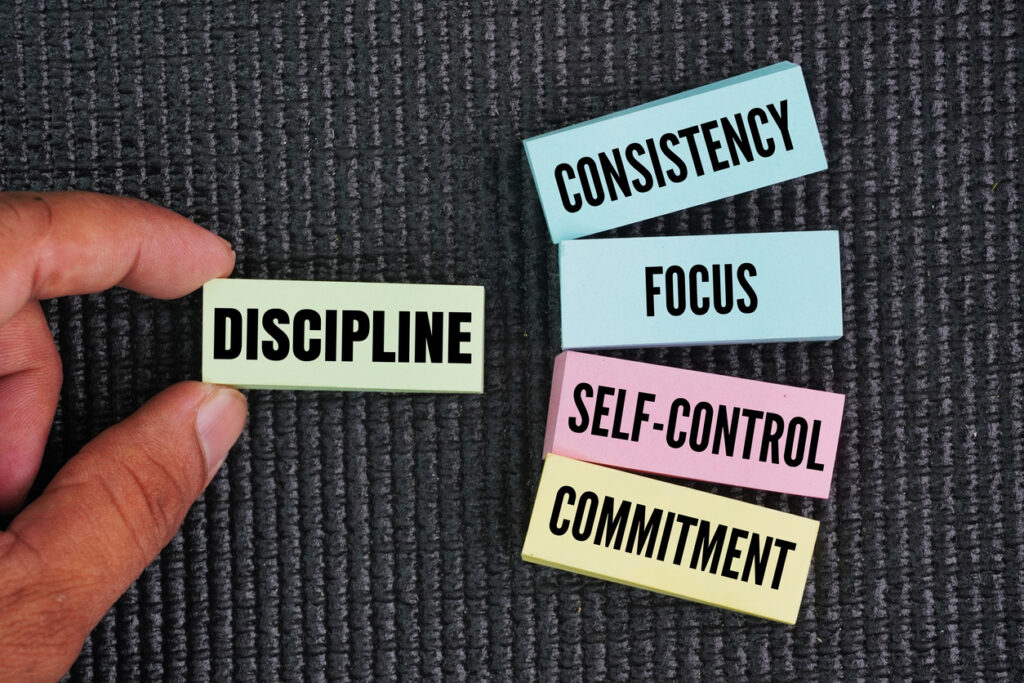

Oh, we humans! We are not thinking creatures with emotions, we are emotional beings who (occasionally) think. One result is that we all too frequently never ‘Put into Practice’ all that we know. Why? Well, knowing is intellectual and doing is emotional and runs into the stumbling blocks of habit, routine, and inertia. Changing requires turning theoretical knowledge into practical application and that means leaving our comfort zone, a workable if flawed practice that we have mastered, and undergoing the risk and vulnerability of being a novice (at least for a while) in better practice.
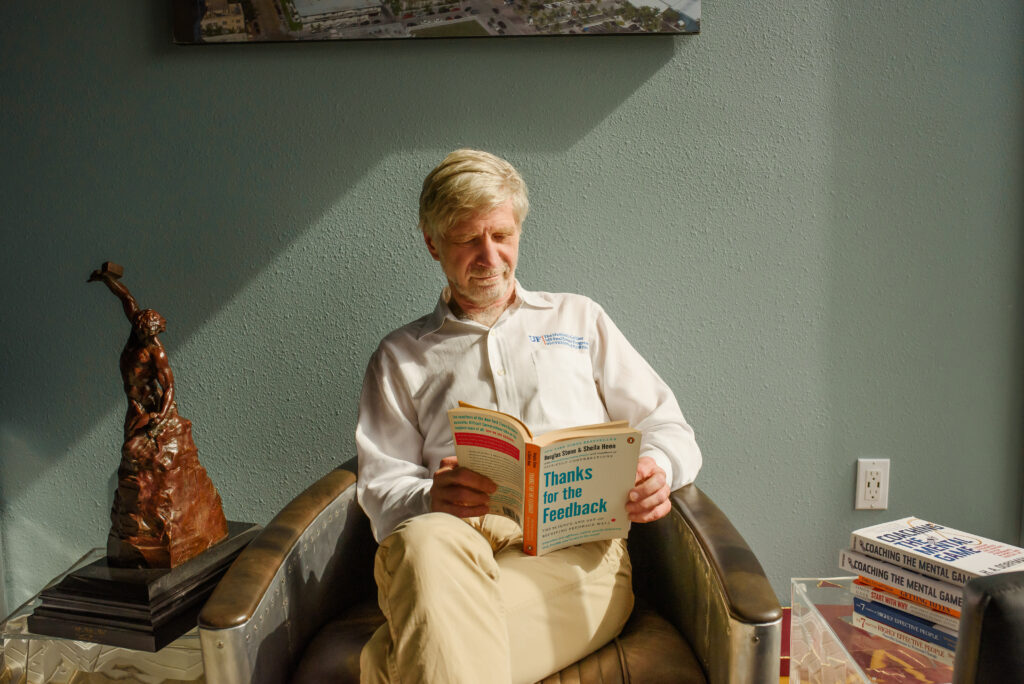
Knowing gives the illusion of progress. It feels good — safe, controlled, familiar. Being willing to undergo the actual ‘pain’ of change… that is a different story! However, that is the difference between the A players and the B and C players. I frequently go back and re-read/skim a book, look at the parts I’d highlighted or the page corners I’d turned or my margin notes or listen on Audible while driving (it’s amazing the number of hours we spend weekly in our cars, mine tells me 8 to 10!) that moved me earlier to ensure that I am Putting into Practice what I had gleaned.
Closing Quotes:
“The greatest gap in life is the one between knowing and doing.” – John Maxwell, b. 1947
“It is not the lack of knowing what to do that holds us back, but the failure to do what we know.” – Stephen R. Covey, 1932-2012
“As a single footstep will not make a path on the earth, so a single thought will not make a pathway in the mind. To make a deep mental path, we must think over and over the kind of thoughts we wish to dominate our lives.” – Henry David Thoreau, 1817-1862
As always, I share what I most want and need to learn. – Nathan S. Collier
Note: Every effort has been made to properly source any 3rd person material. I am, however, a voracious reader. If anyone finds any unattributed material, pls let me know asap and I will be delighted to give credit where credit is due.
“All intelligent thoughts have already been thought; what is necessary is only to try to think them again.” – Johann Wolfgang von Goethe, 1749-1832